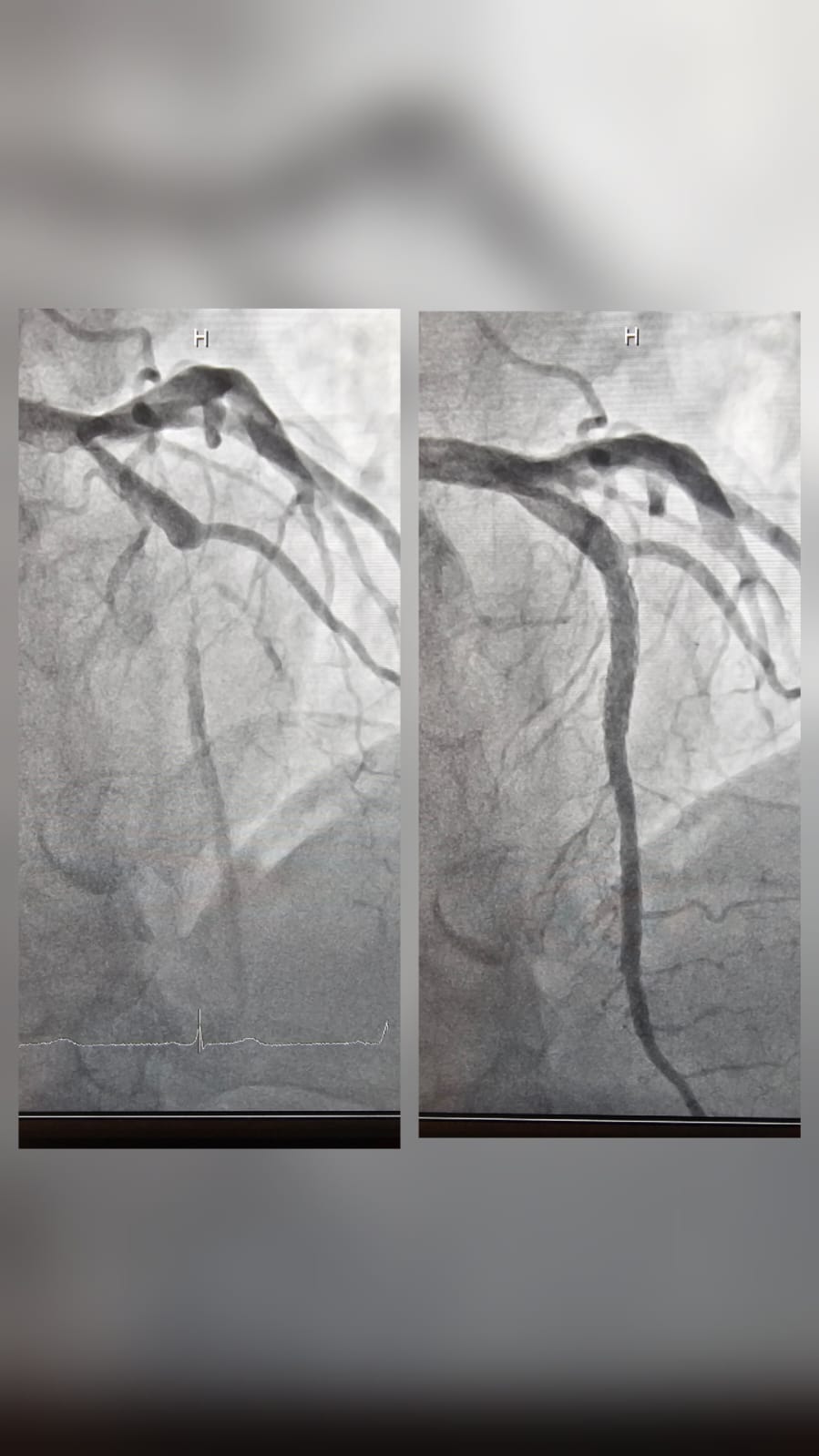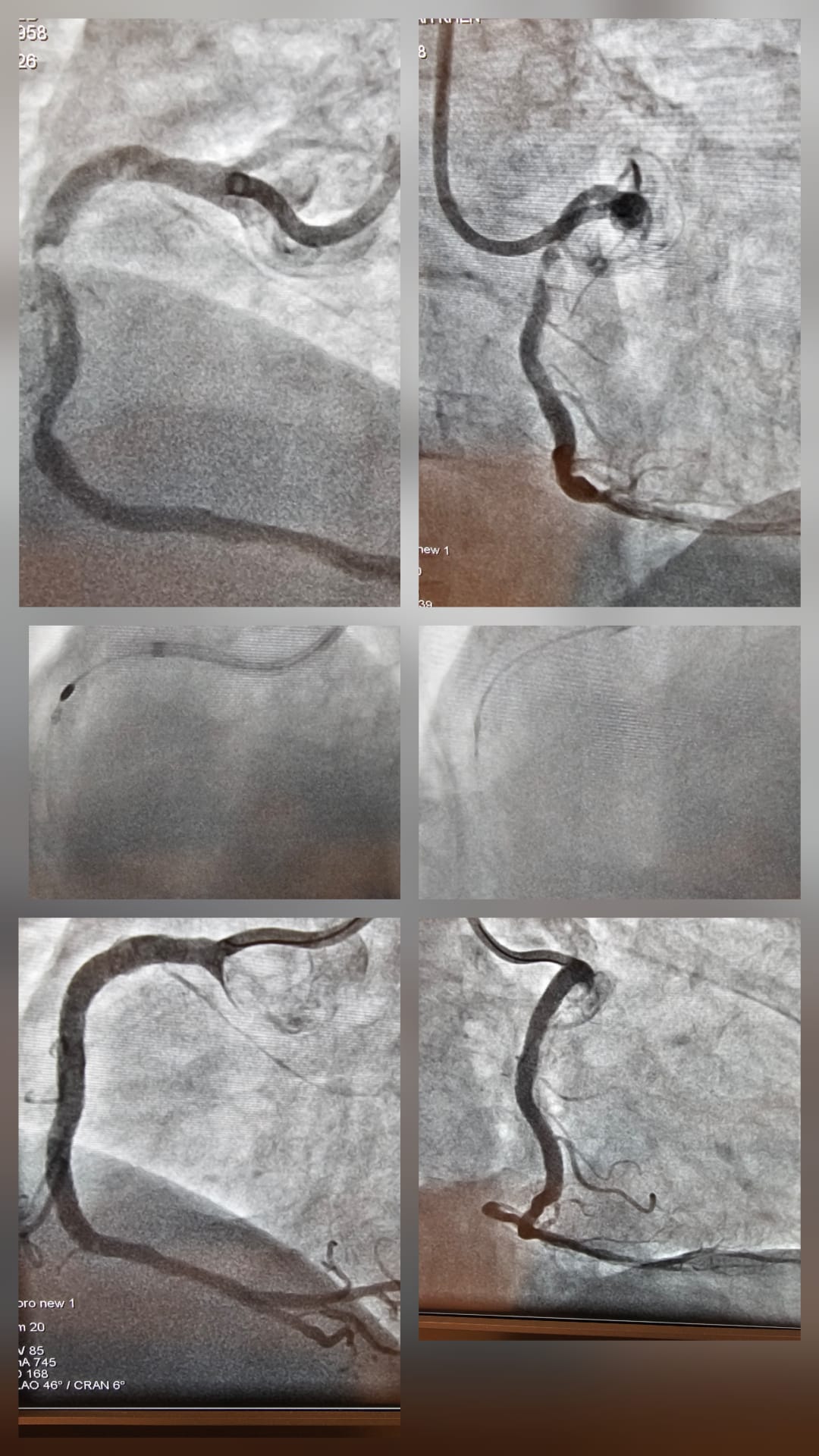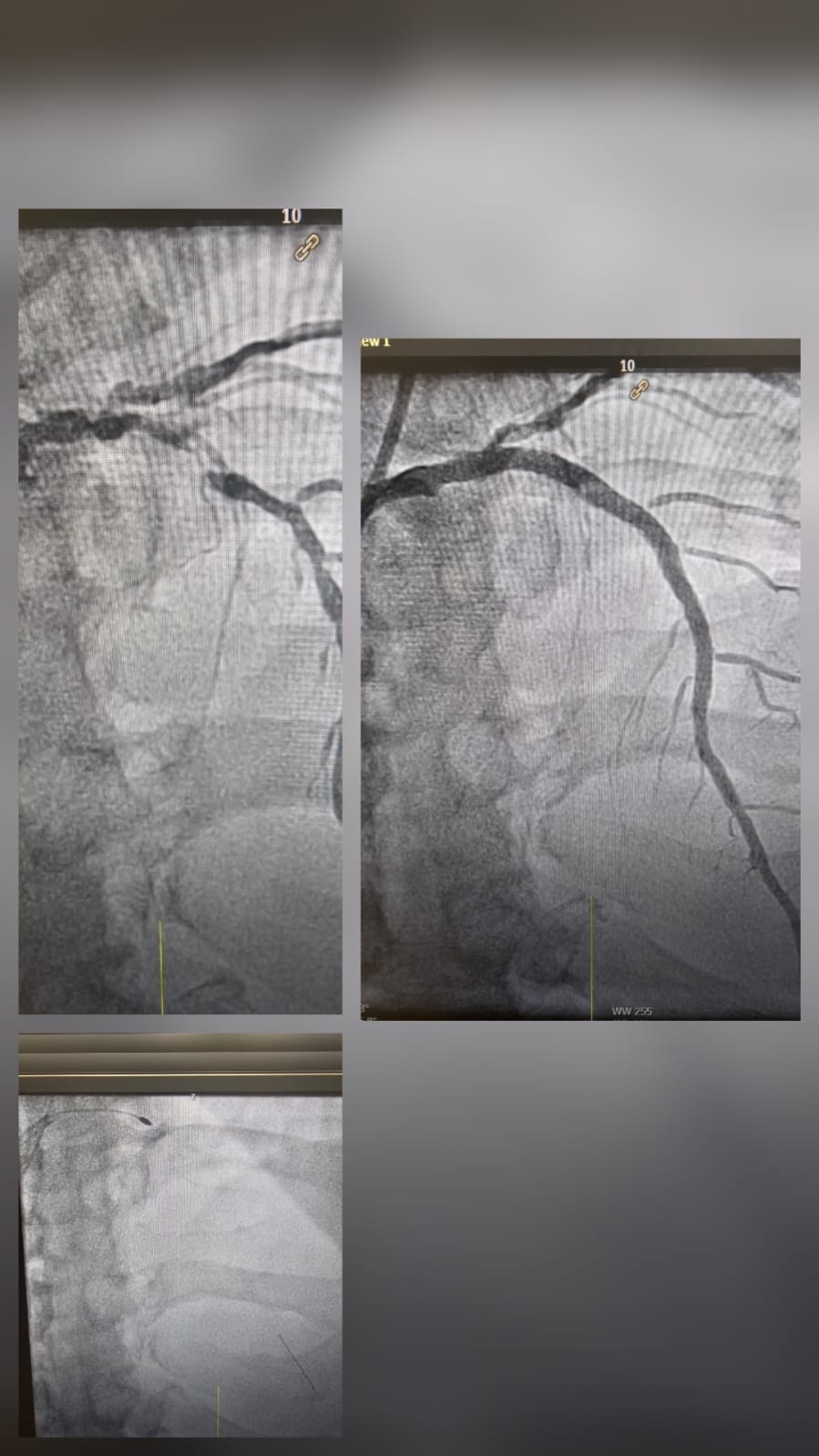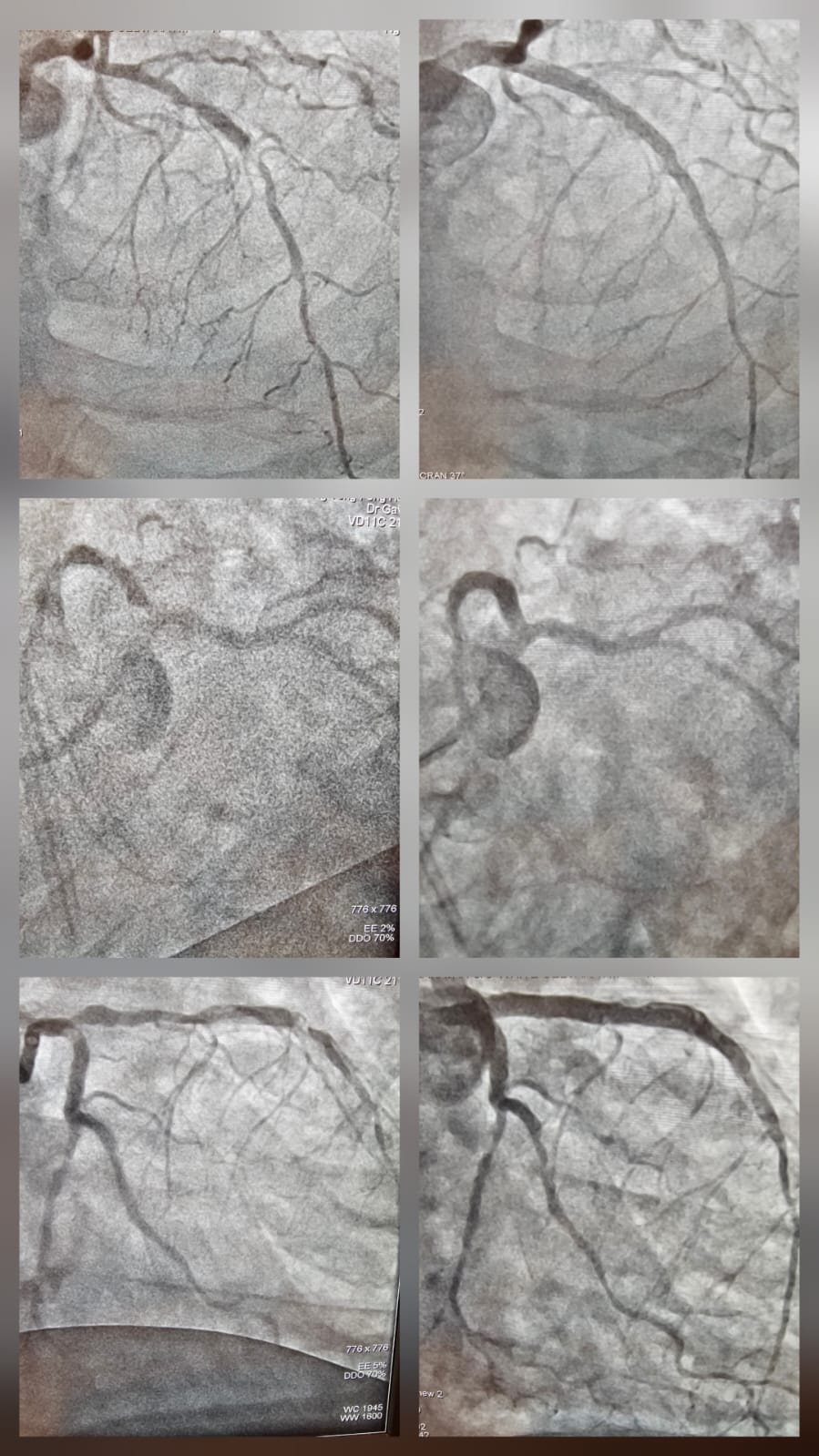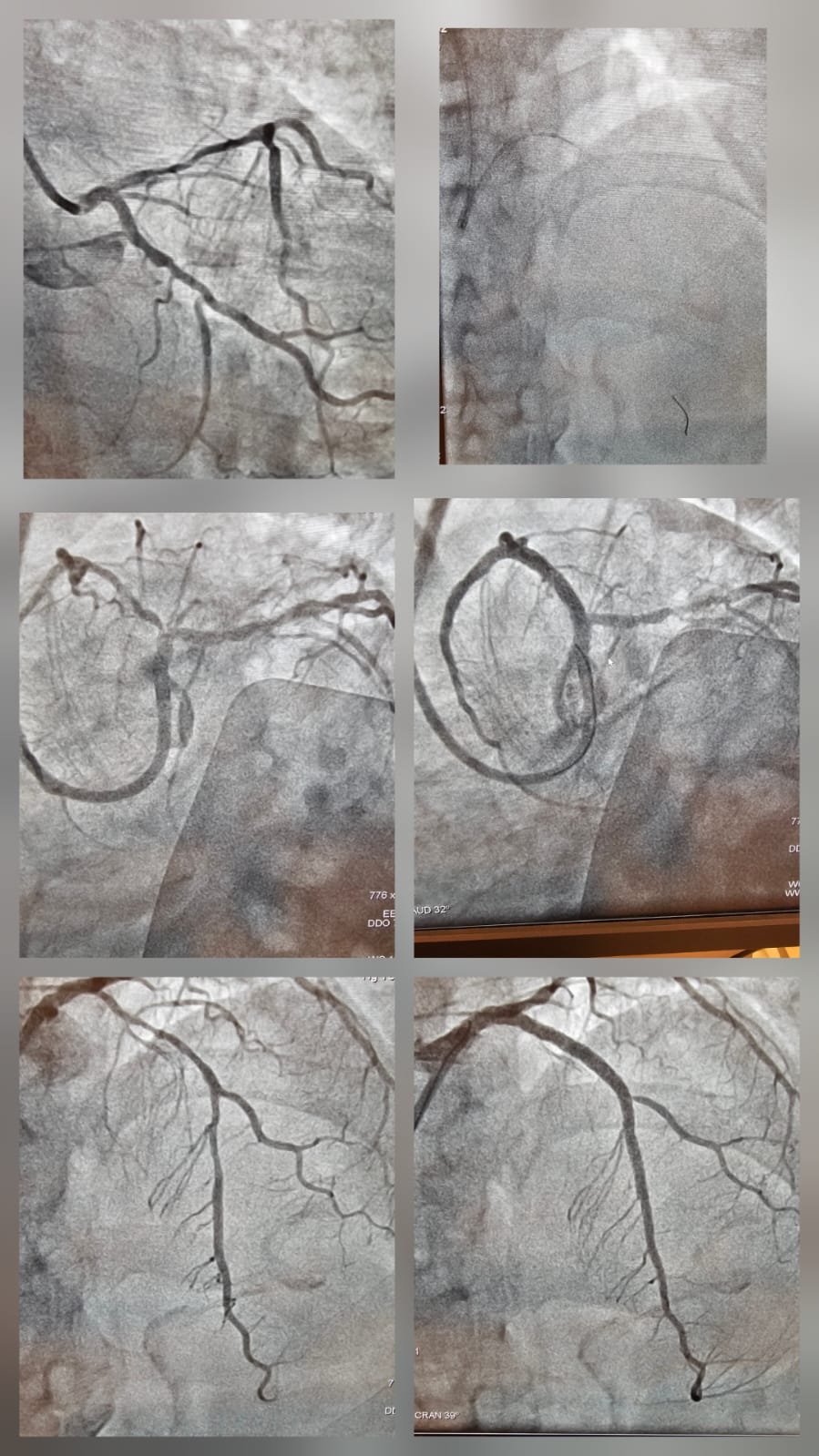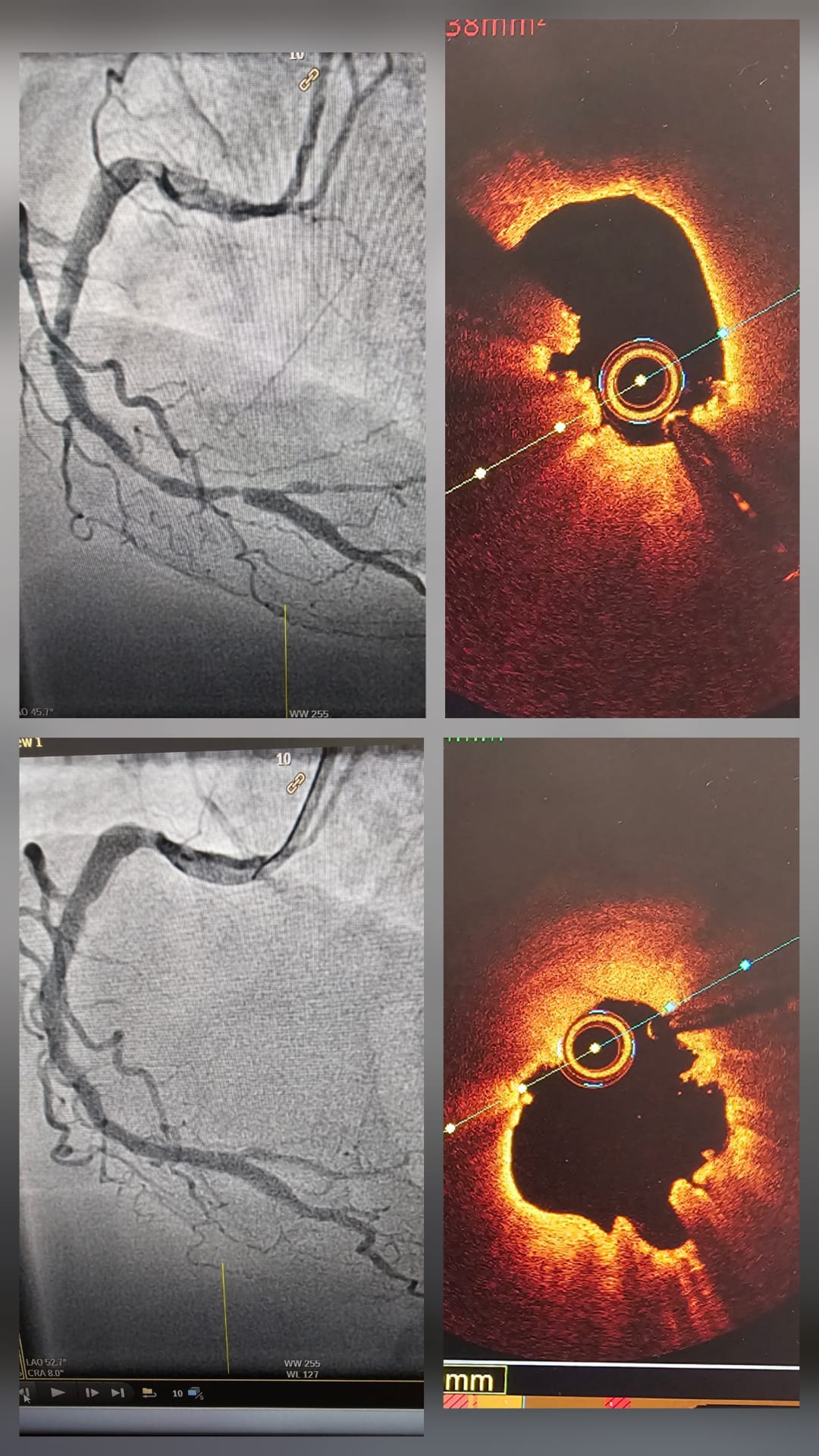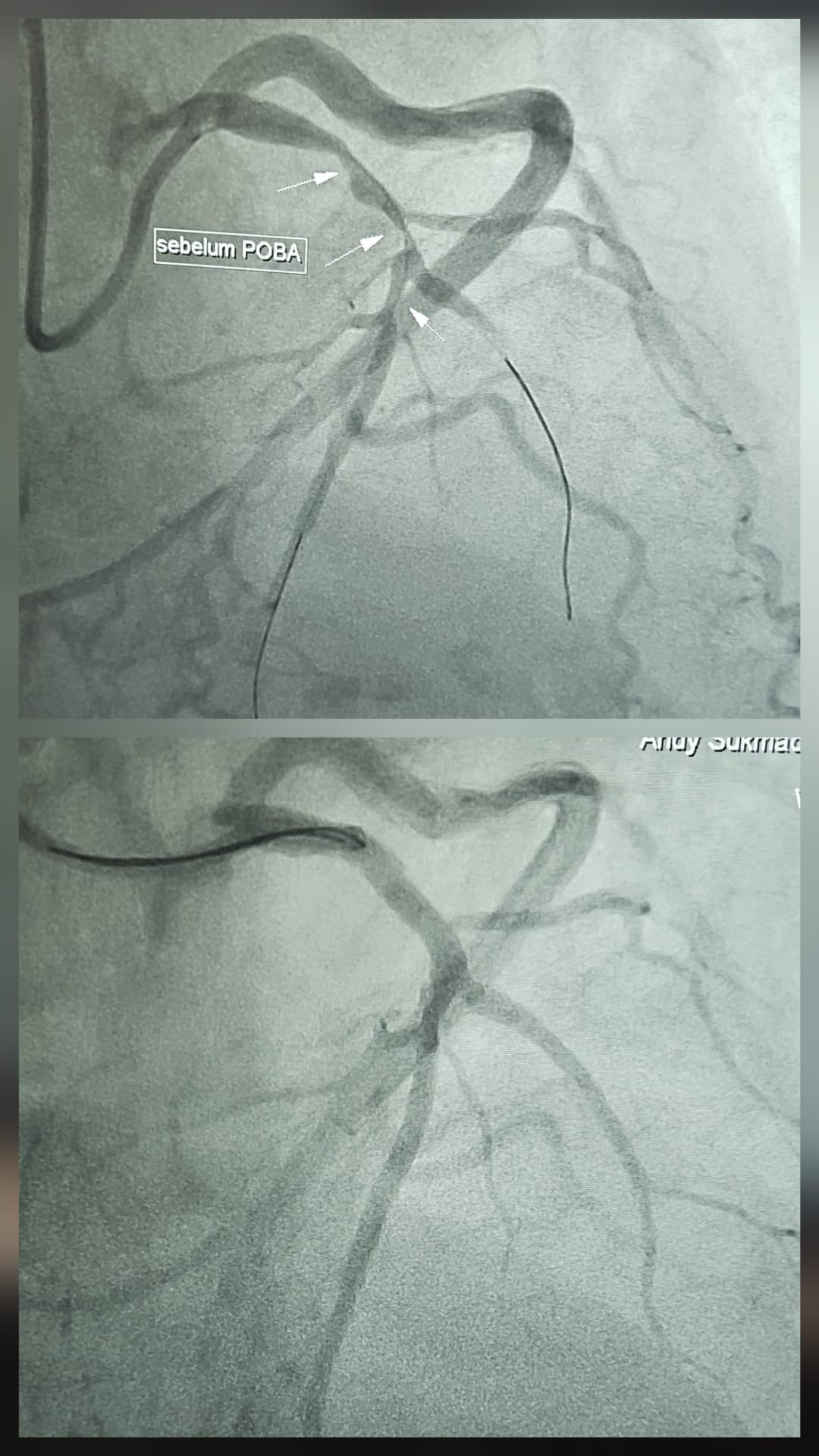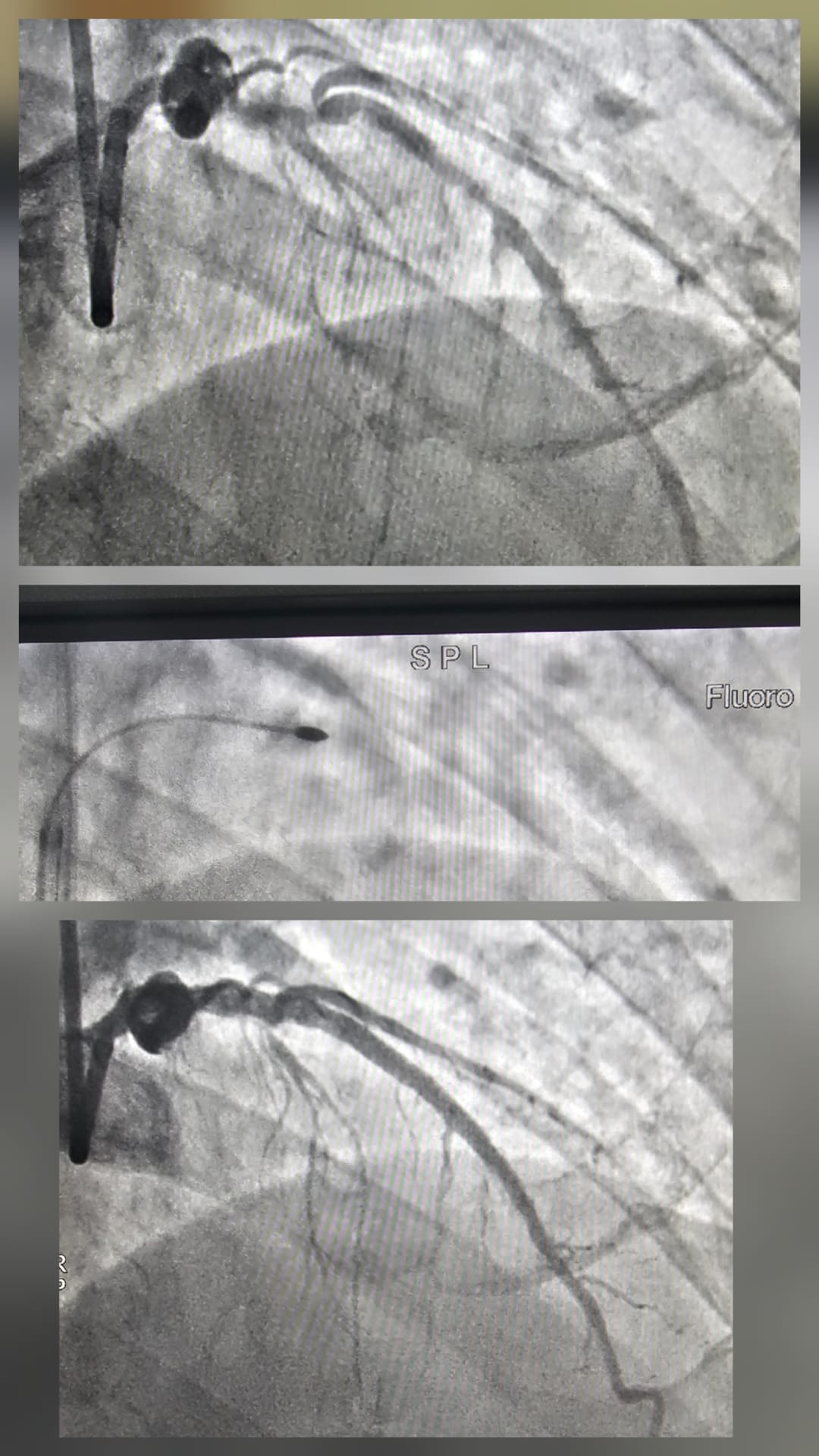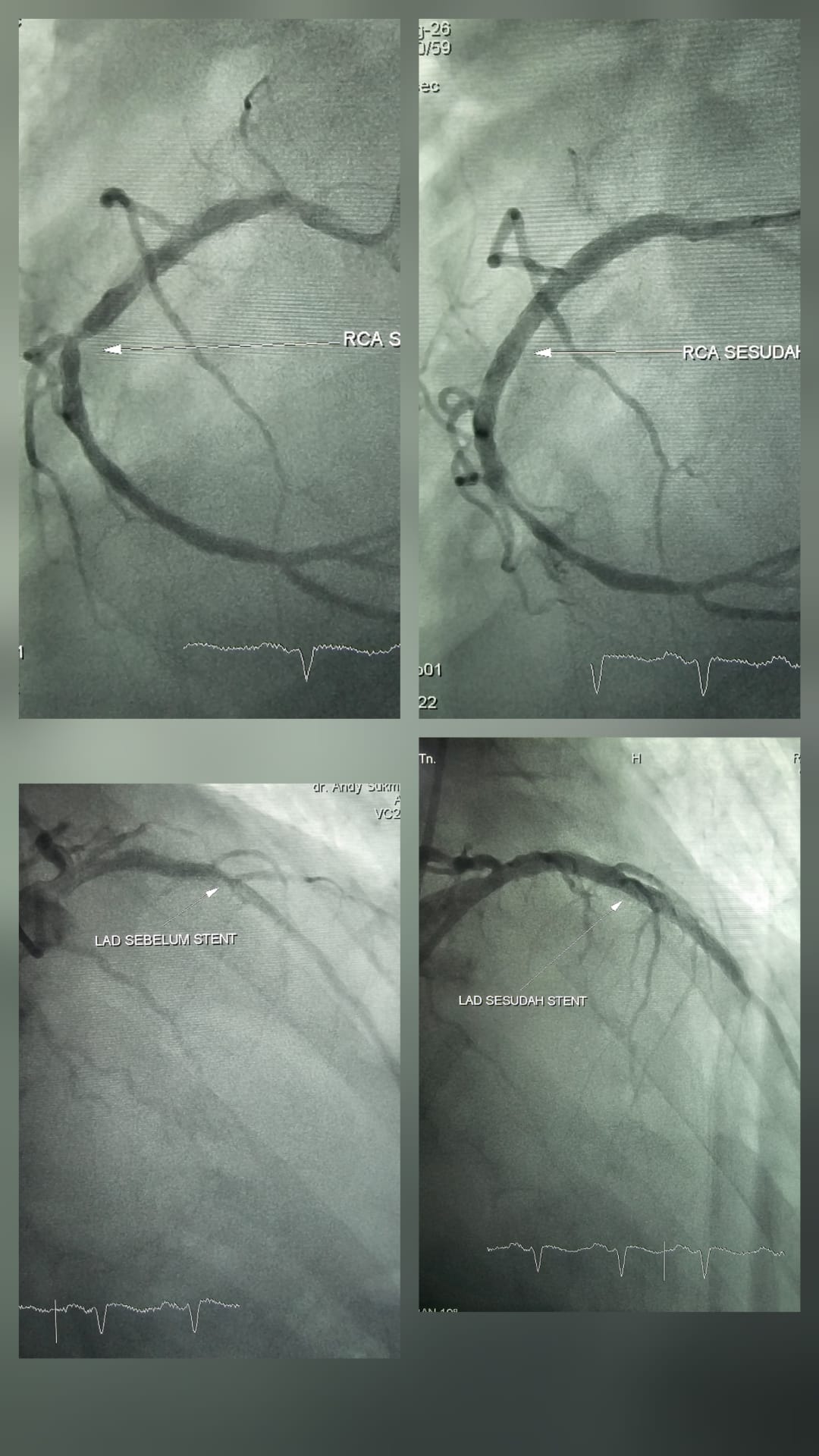
Interventional Cardiology

Care that's measured
in heartbeats.

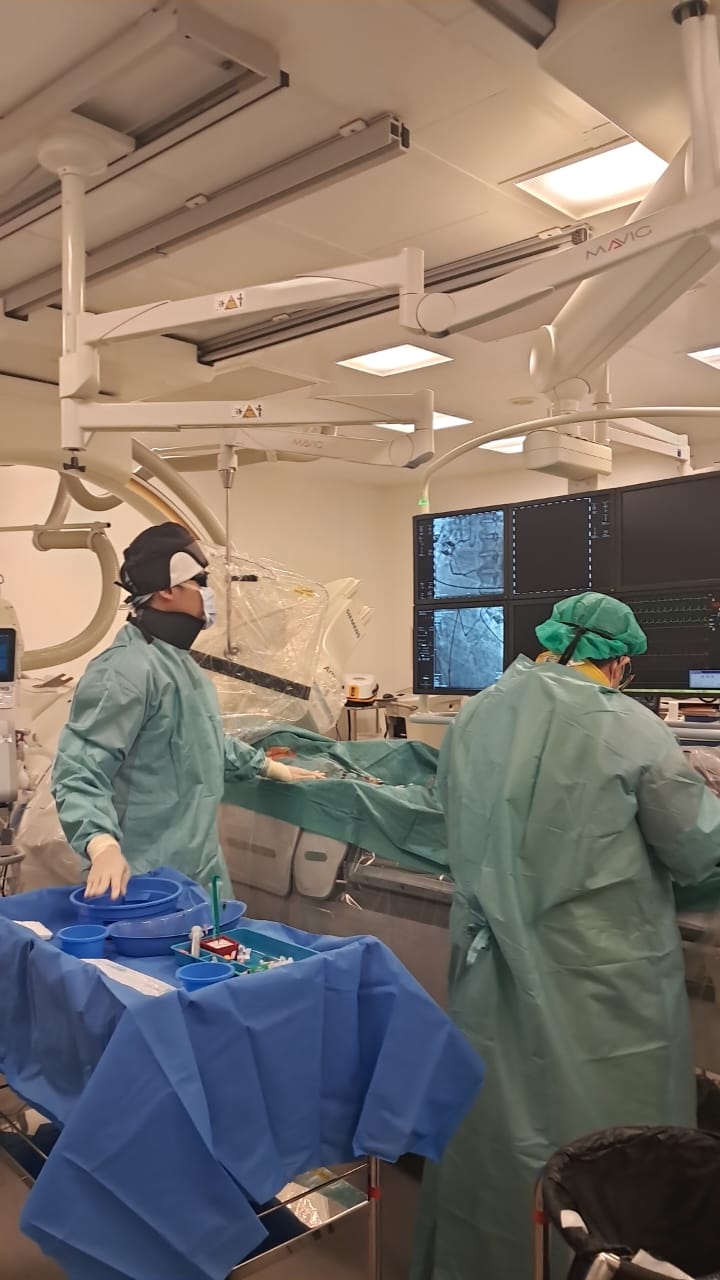
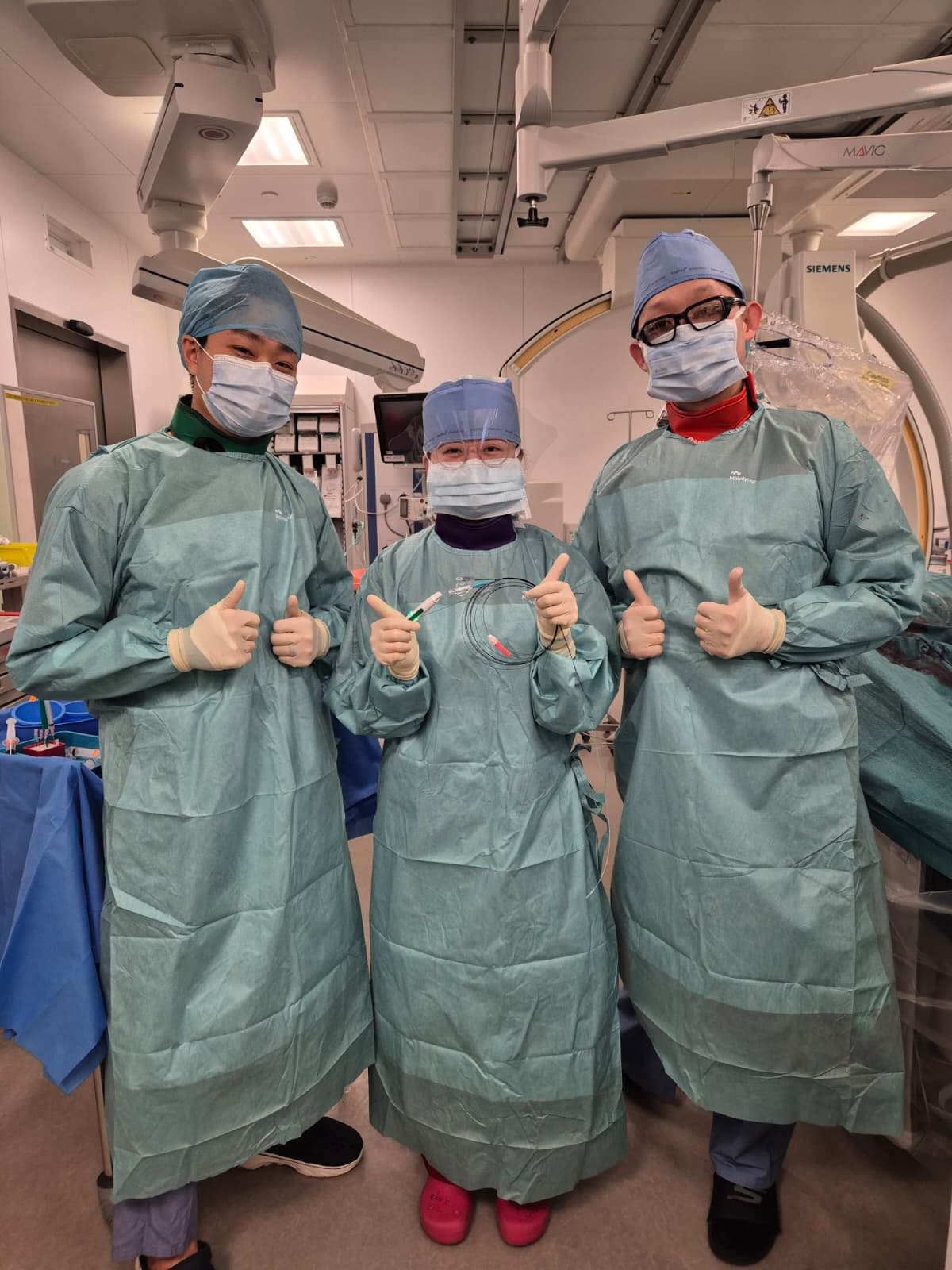
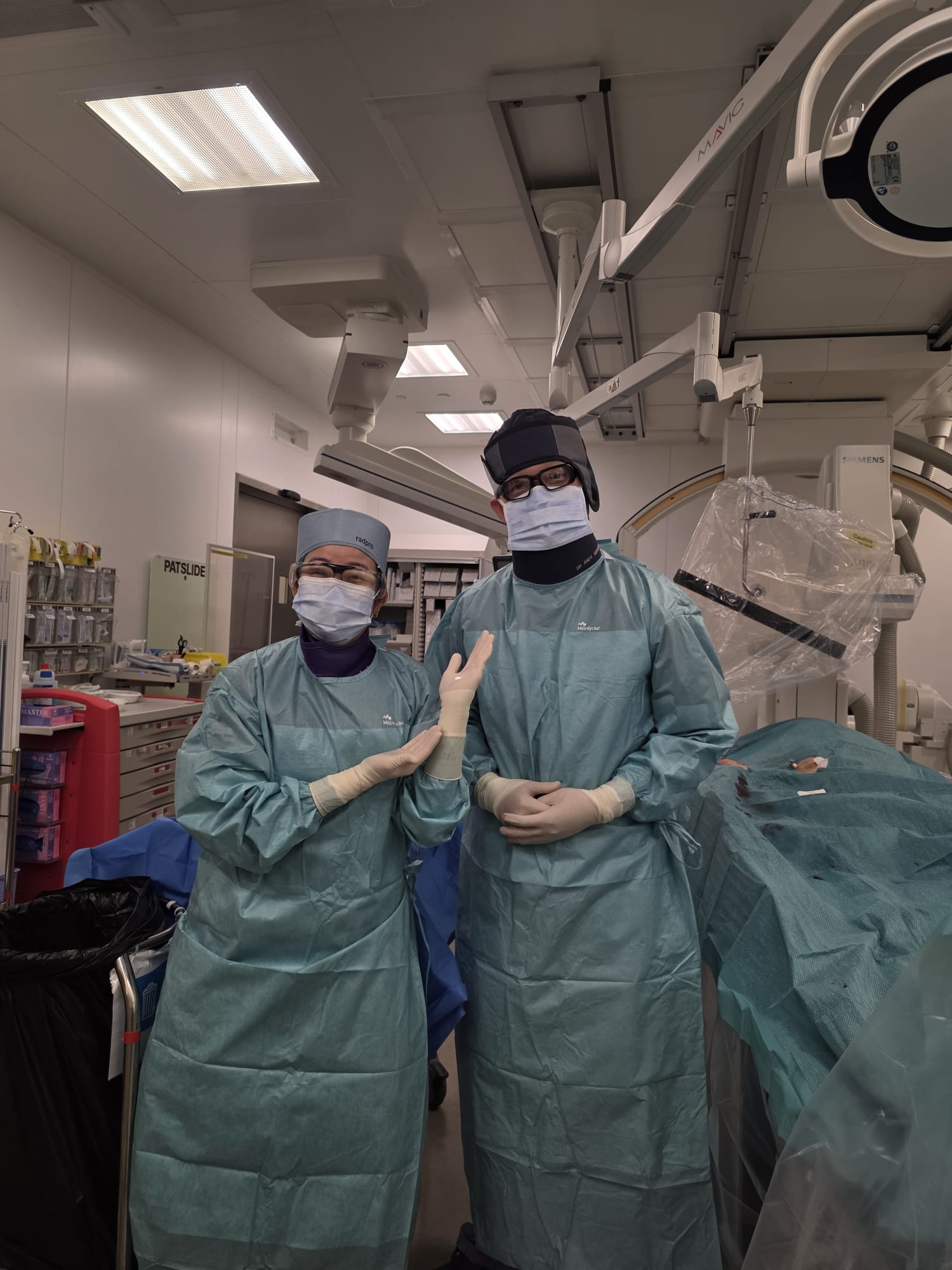
dr. Andy Sukmadja, SpJP(K) — interventional cardiologist specializing in coronary intervention, complex PCI, and comprehensive pre- and post-procedure care.

dr. Andy Sukmadja, SpJP(K) — Interventional Cardiologist

About

A practice built on precision and presence.

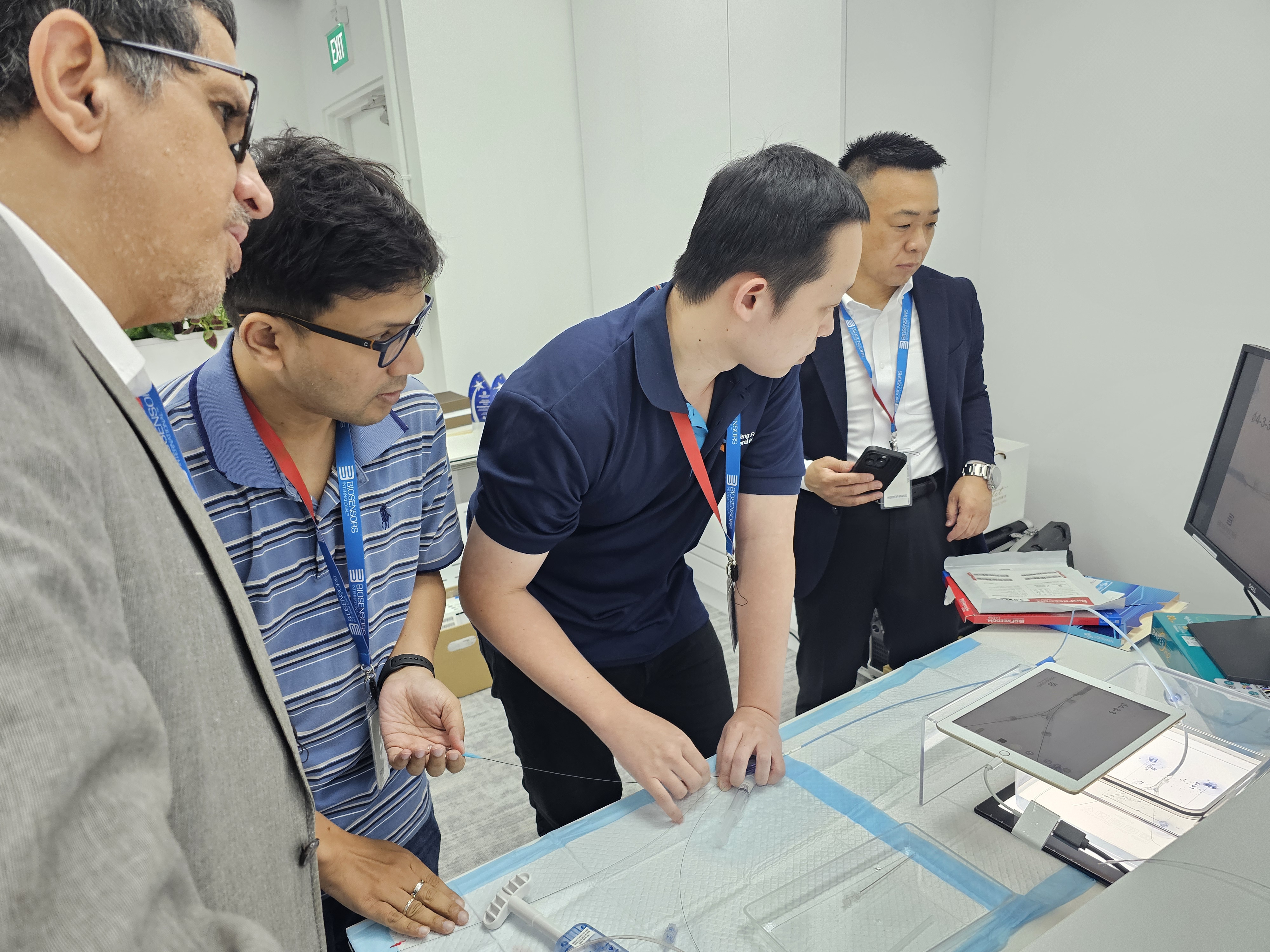
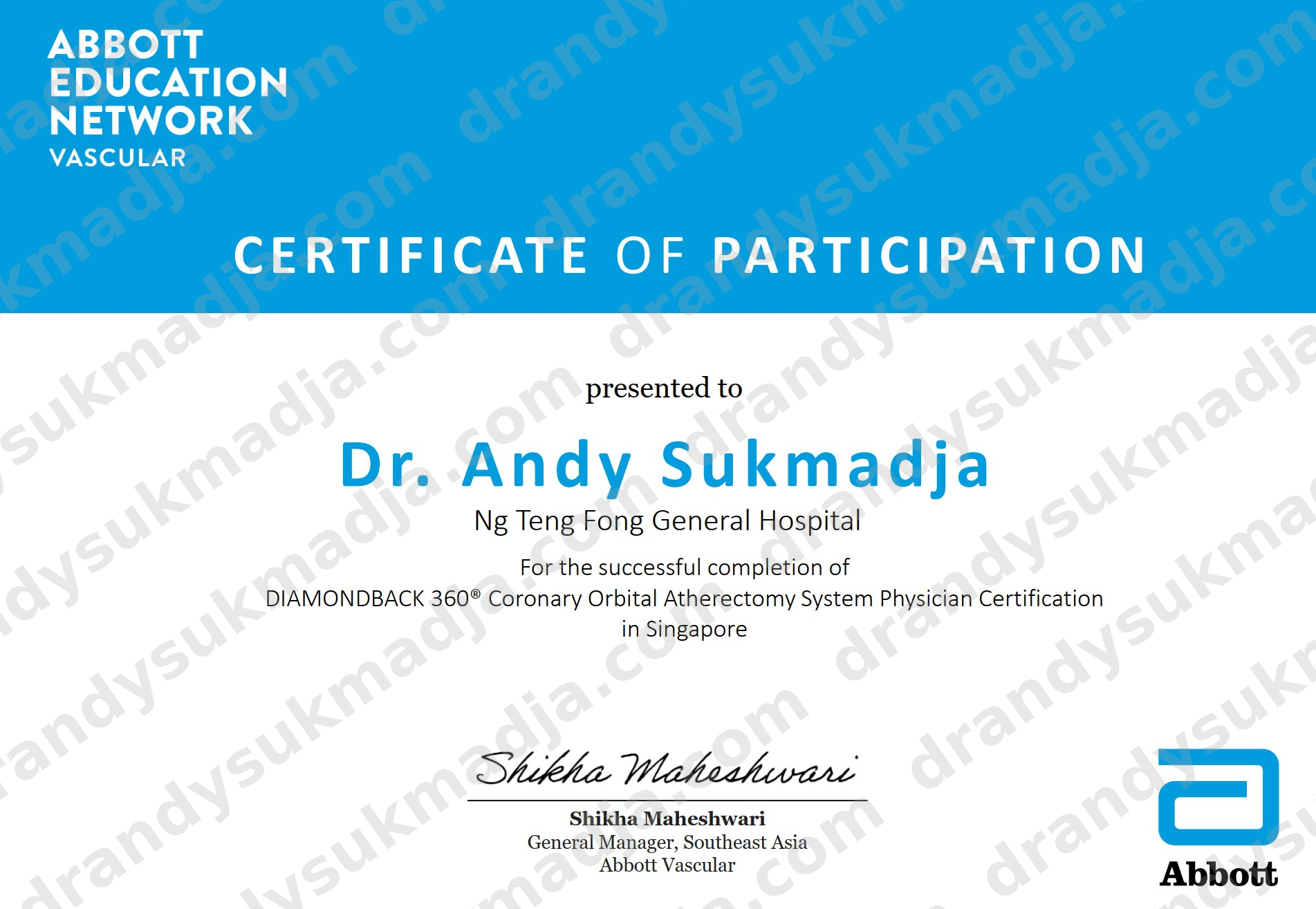
dr. Andy Sukmadja, SpJP(K) is an interventional cardiologist with over 11 years of experience and a deep commitment to giving every patient the clarity and confidence they need before and after their procedure. Currently practicing at Jakarta Heart Center, Matraman and EMC Grha Kedoya, he believes that good cardiac care goes beyond the catheterization lab — it starts with listening, and continues long after the patient goes home. He also holds a specialized certification in the Coronary Orbital Atherectomy System — an advanced technique for treating heavily calcified coronary lesions that require more than conventional intervention.

11+ Years in Practice
1,500+ Procedures Performed

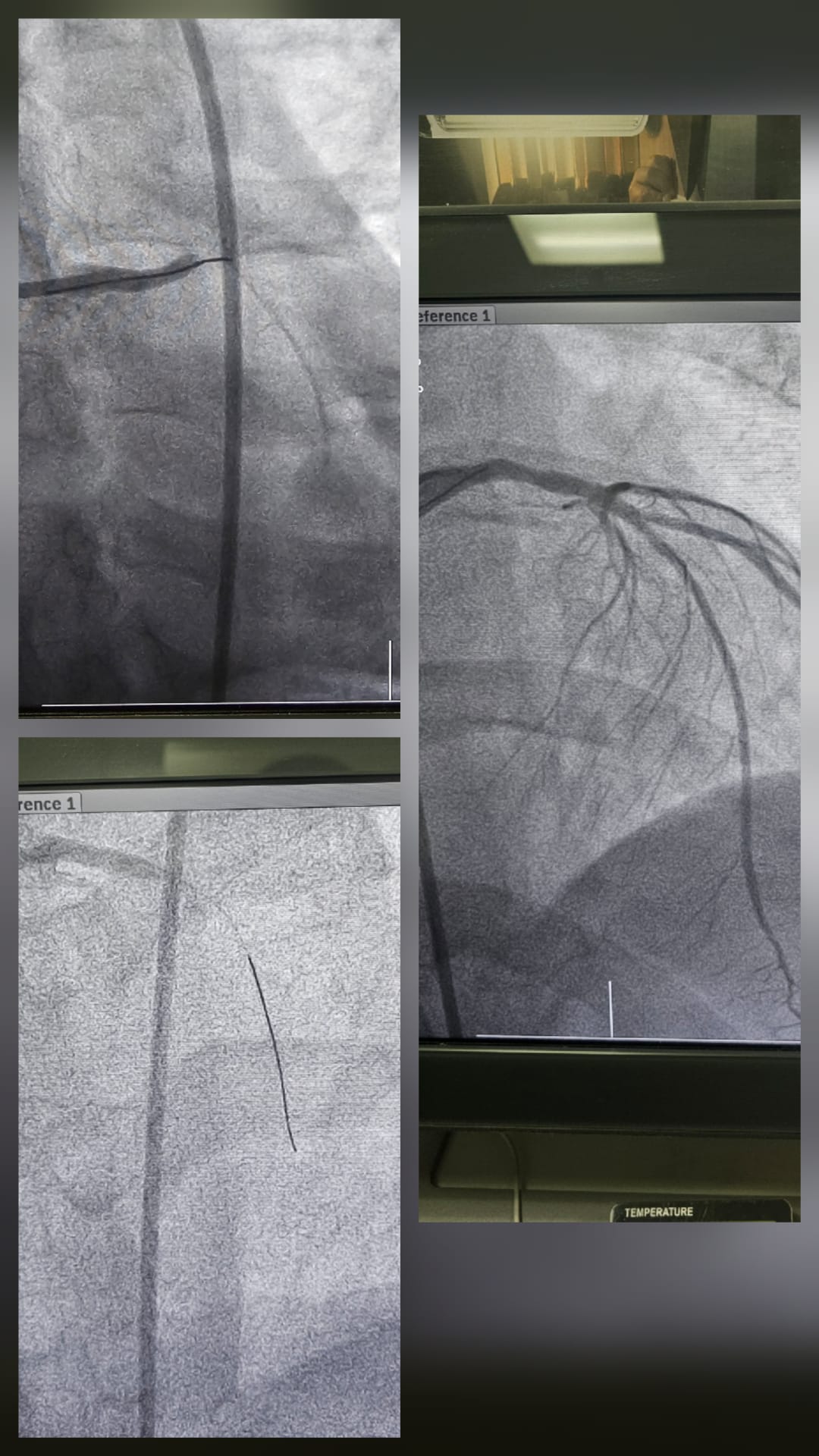
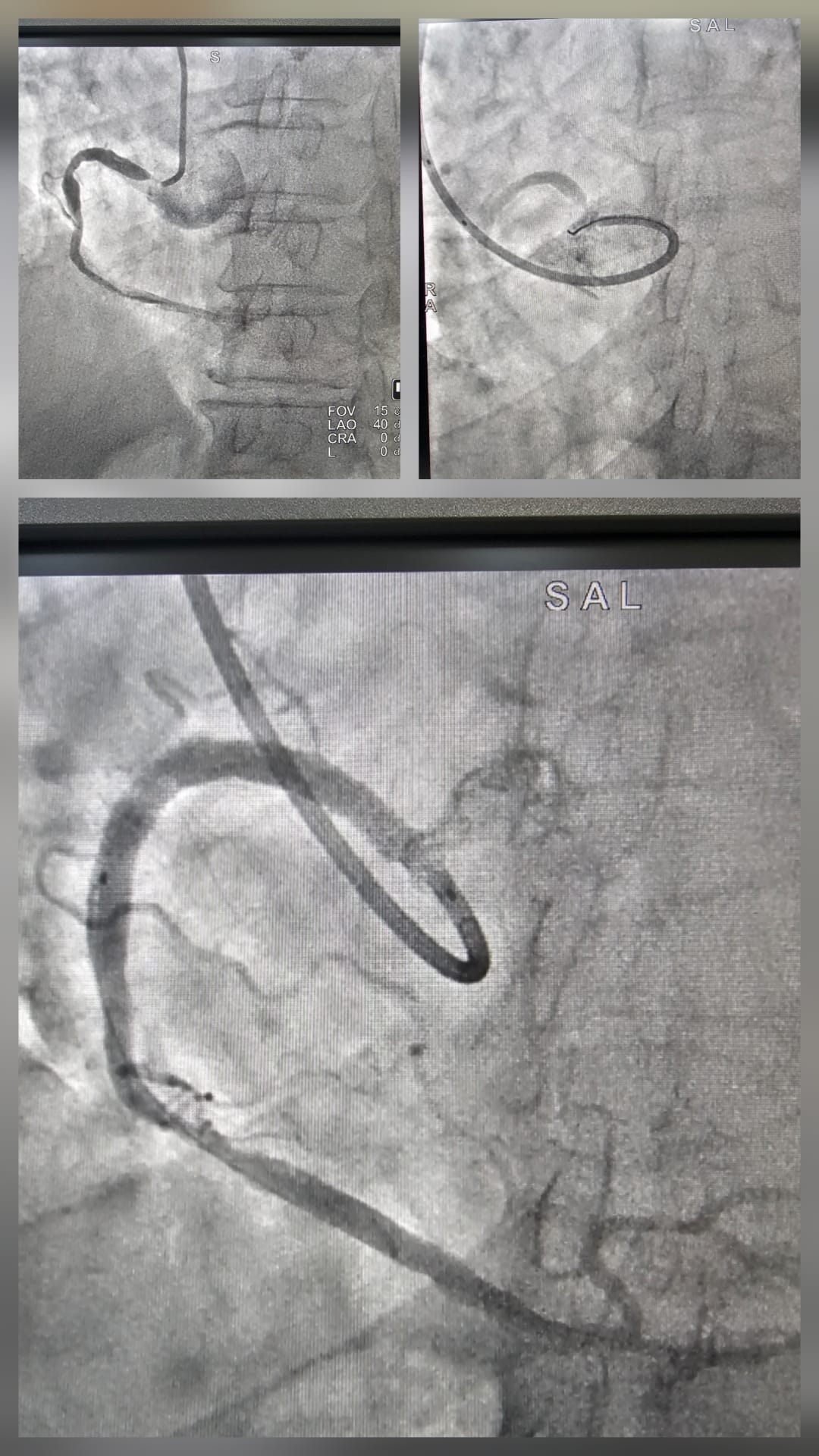
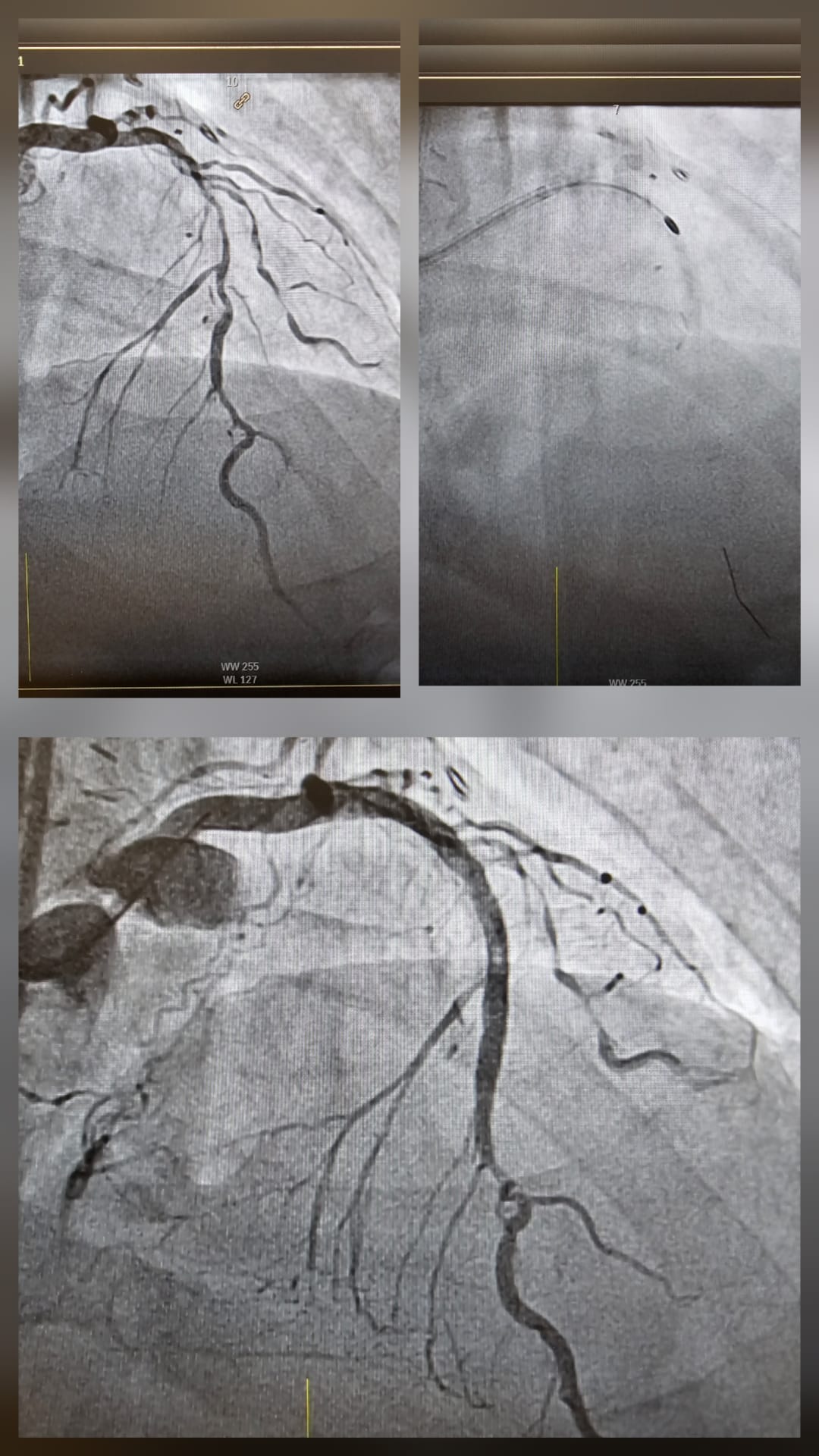
Complex & Advanced PCI

  • Rotational Atherectomy
  • Orbital Atherectomy
  • Intravascular Lithotripsy
  • Left Main Bifurcation & DK Crush

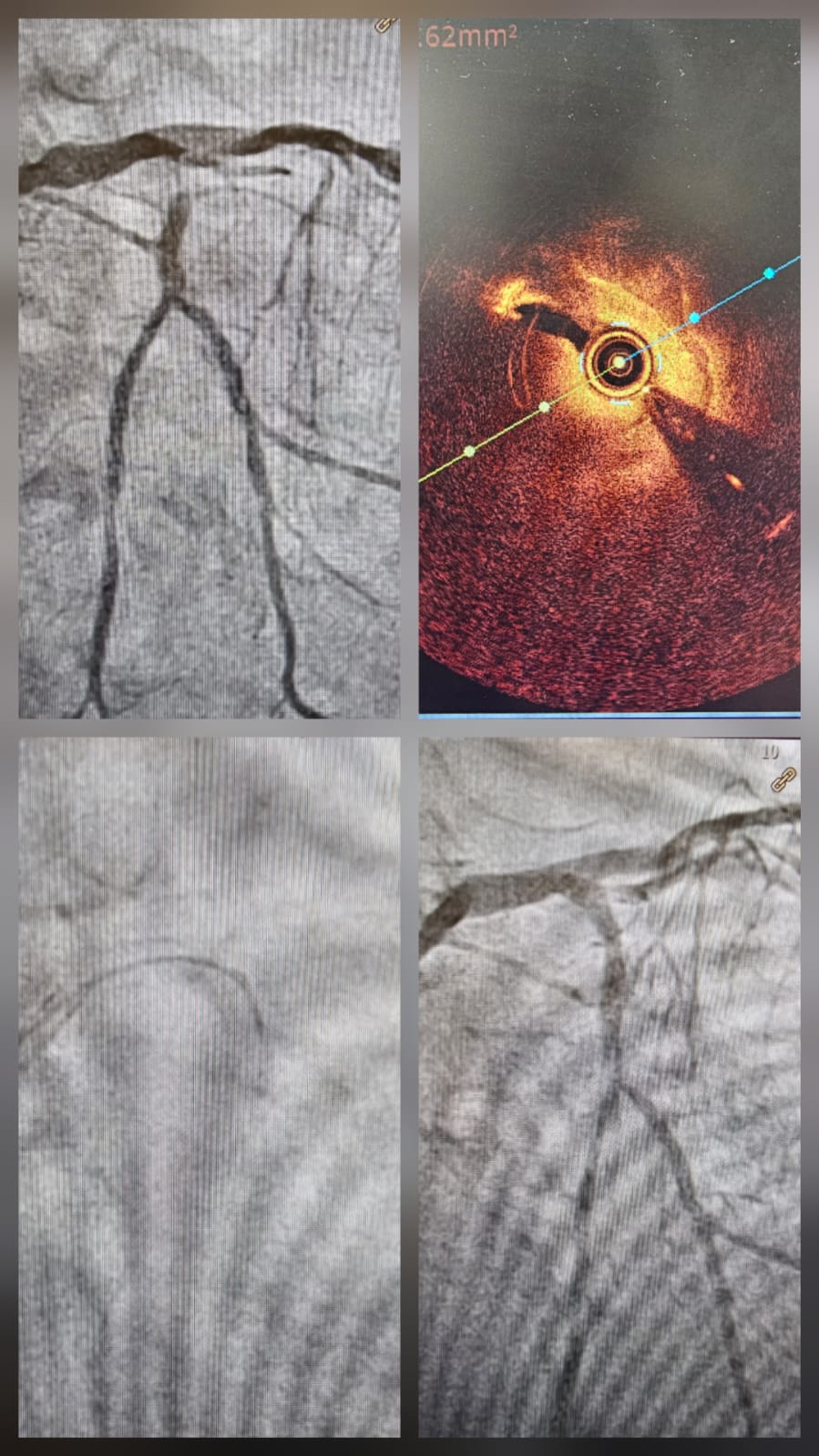
Imaging-Guided PCI

  • Intravascular Ultrasound (IVUS)
  • Optical Coherence Tomography (OCT)
Education & Certification

Training & credentials.

Education & Training

  • 2006–2012 Doctor of Medicine (General Practitioner) — Atma Jaya Faculty of Medicine, Jakarta
  • 2015–2019 Residency, Cardiology — Universitas Padjadjaran, Bandung
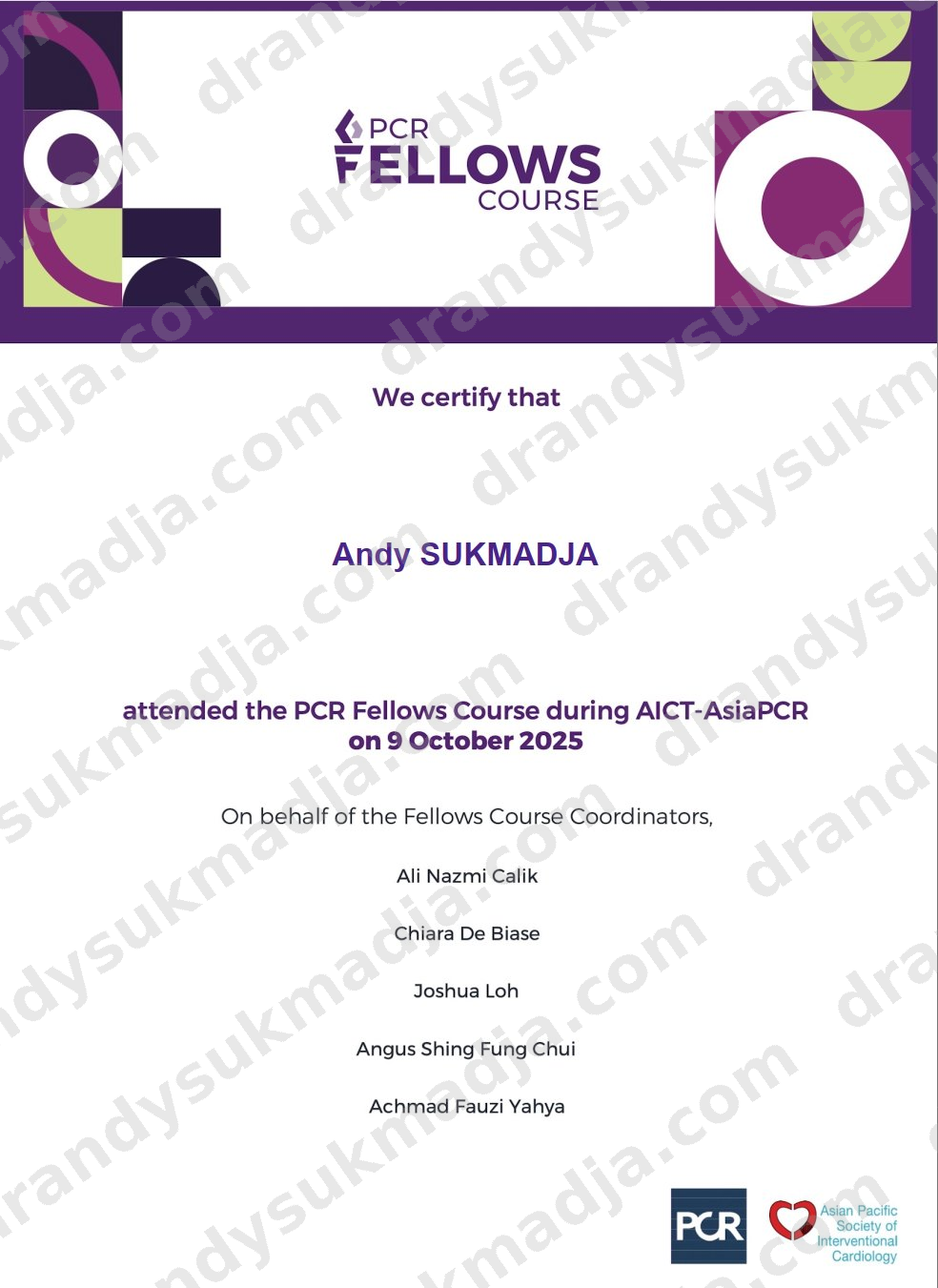
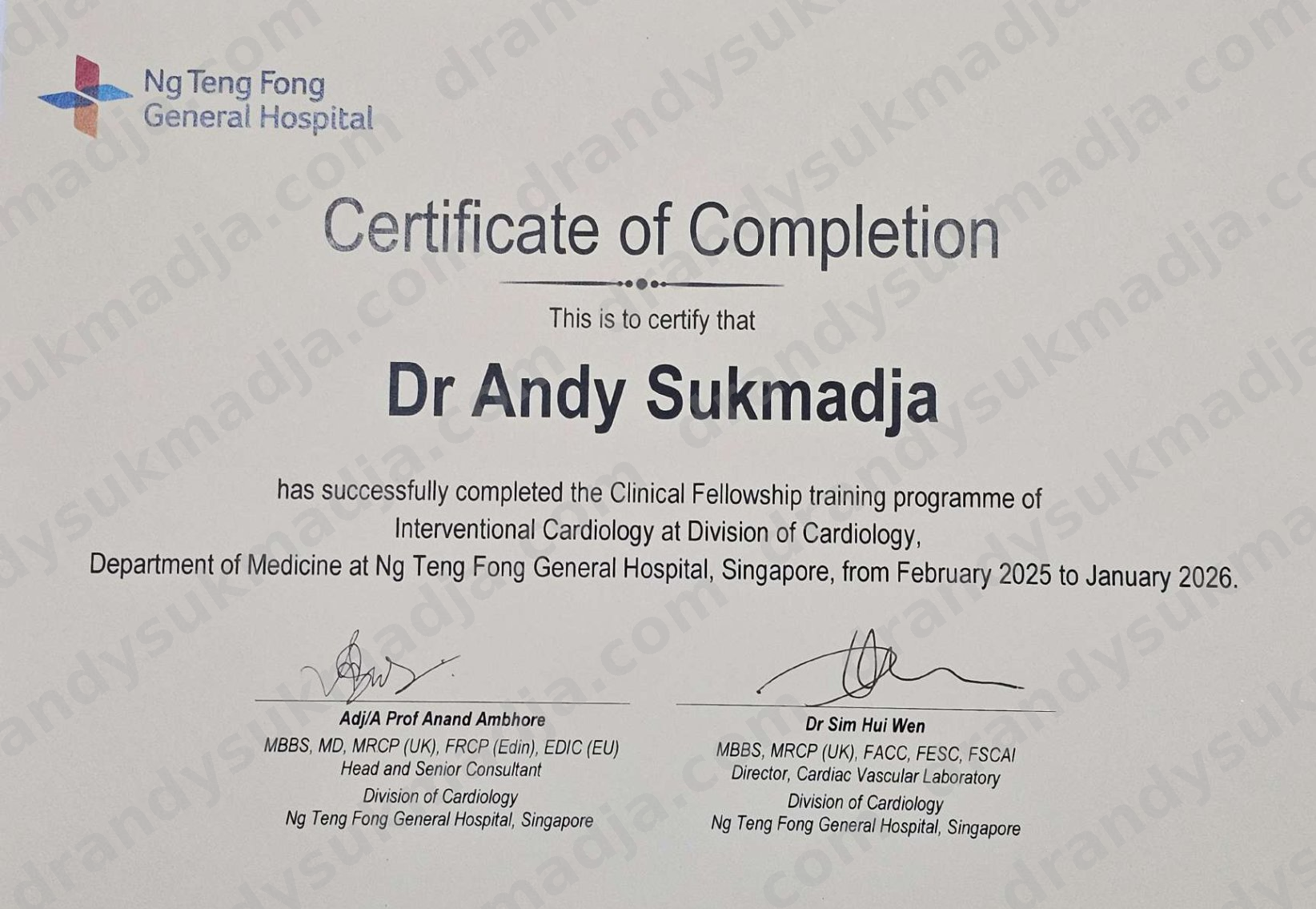
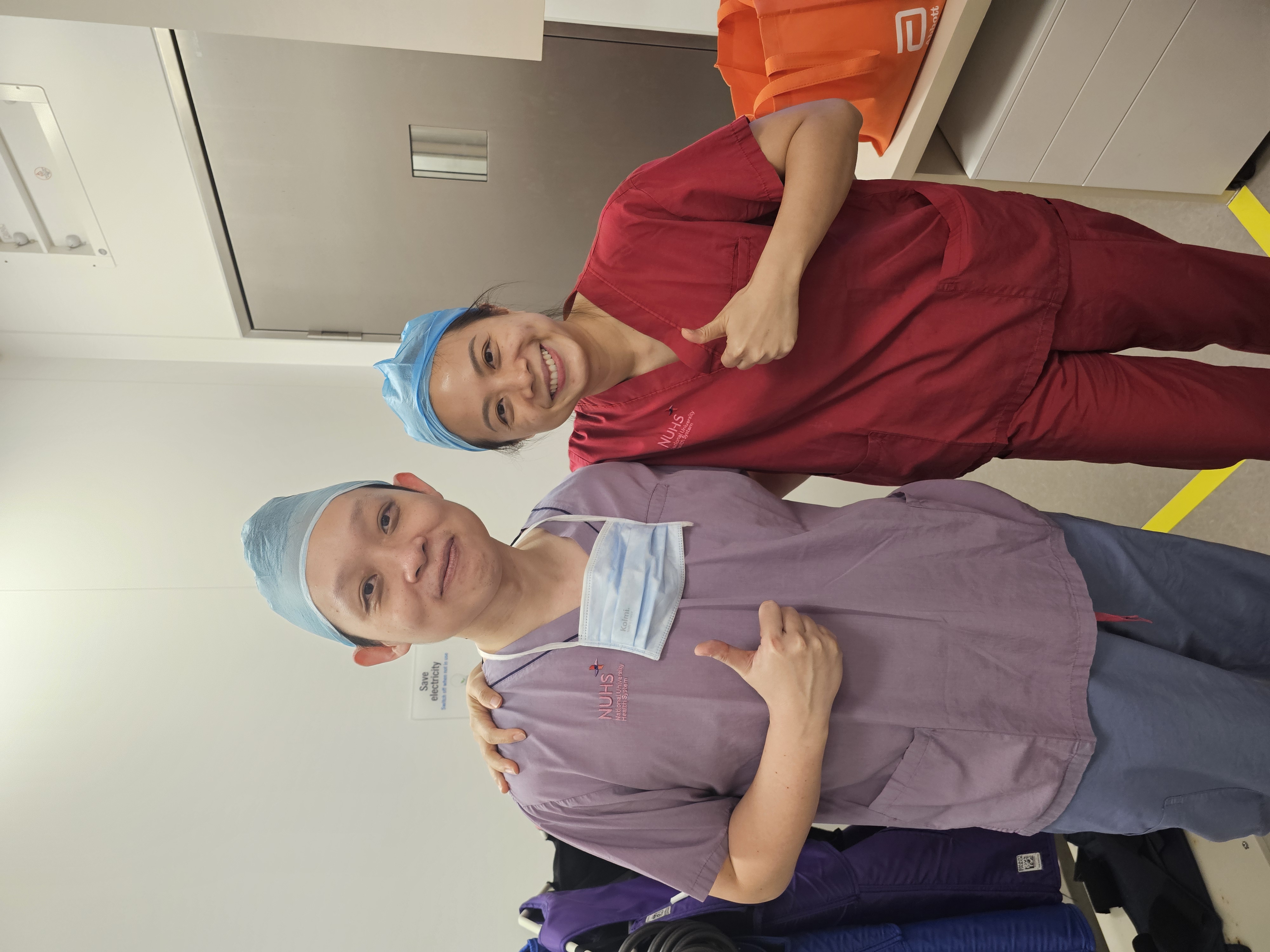
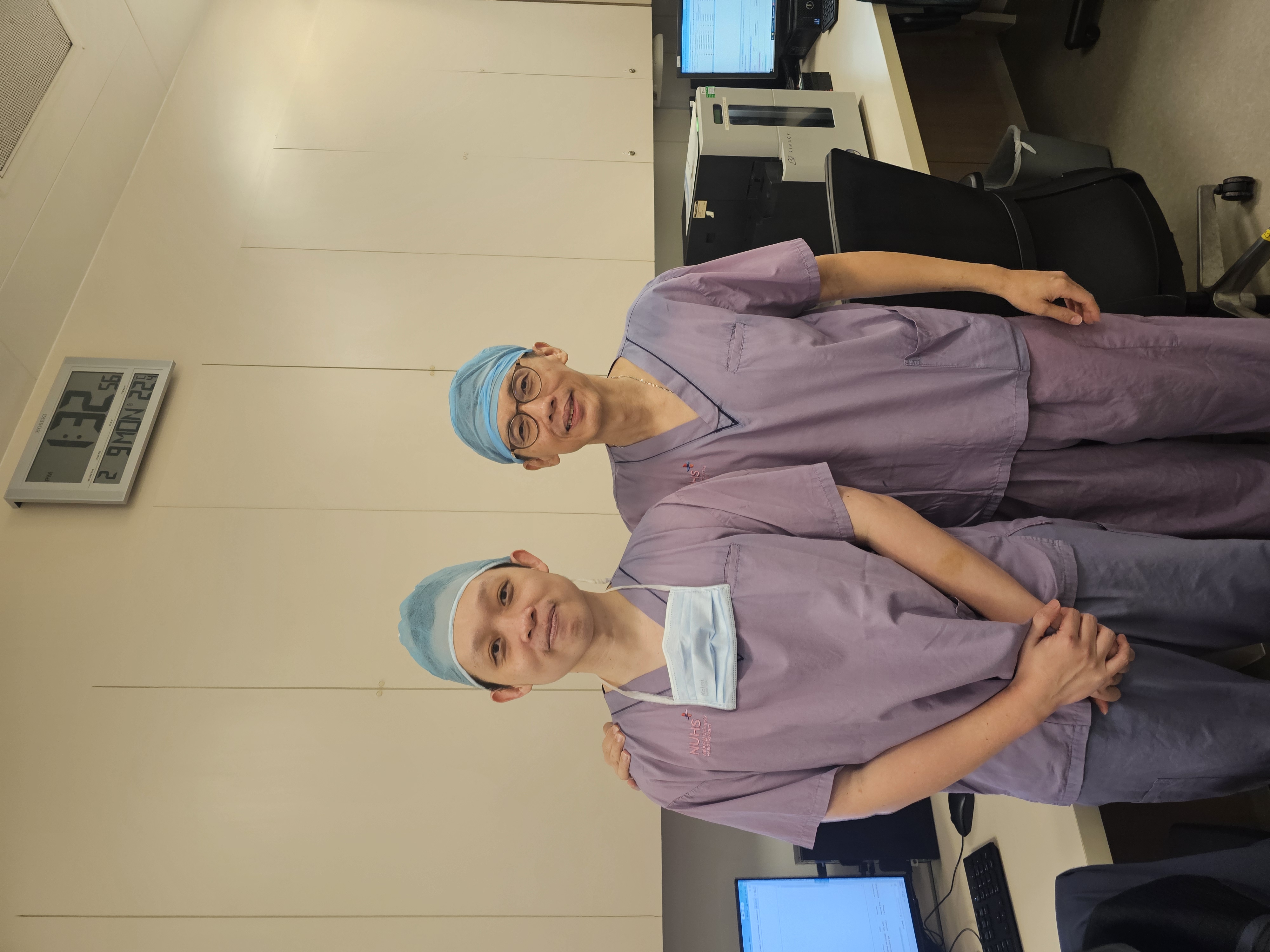
  • 2025–2026 Fellowship, Interventional Cardiology — Ng Teng Fong General Hospital, National University Health System, Singapore

Certifications & Examinations

  • 2019 Specialist in Cardiology, SpJP — Universitas Padjadjaran
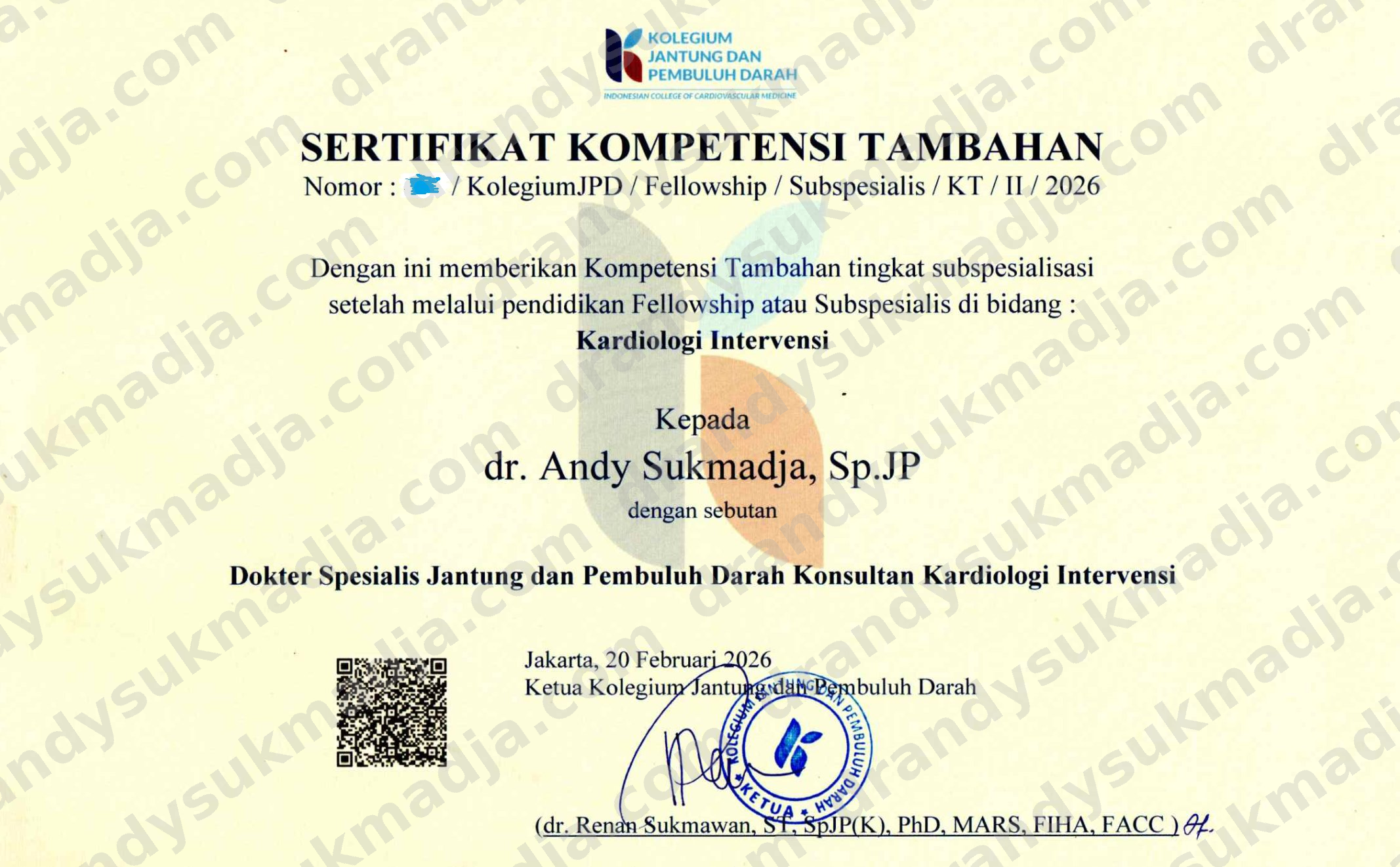
  • 2026 Konsultan Kardiologi Intervensi, SpJP(K) — following completion of Interventional Cardiology Fellowship, Singapore
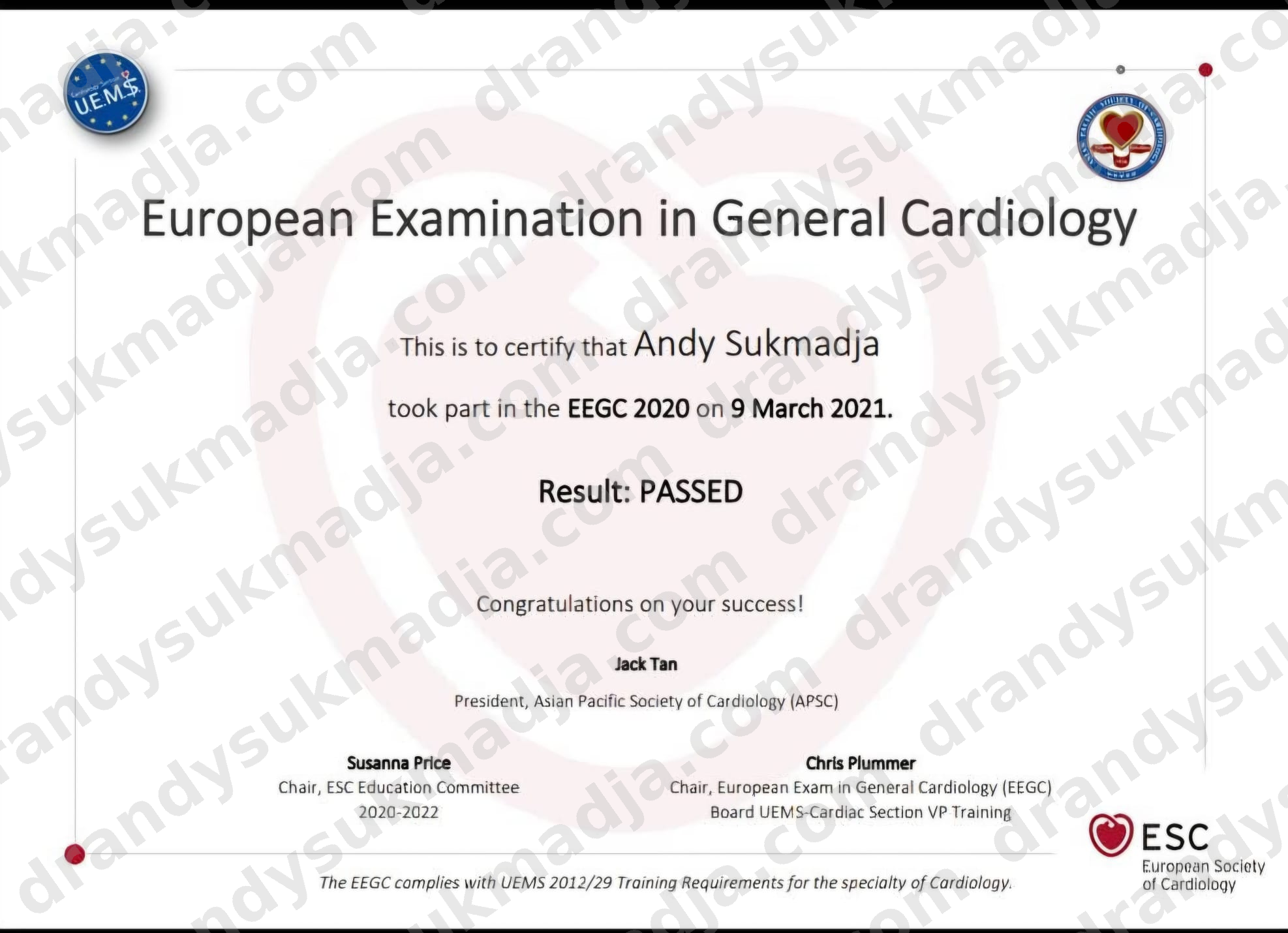
  • 2021 European Exam in General Cardiology — Passed as representative of PERKI (Indonesian Heart Association)
  • 2026 Coronary Orbital Atherectomy System Physician Certification — Singapore

Affiliations & Memberships

  • PERKI — Perhimpunan Dokter Spesialis Kardiovaskular Indonesia

Care & Procedures

Before and after percutaneous coronary intervention.

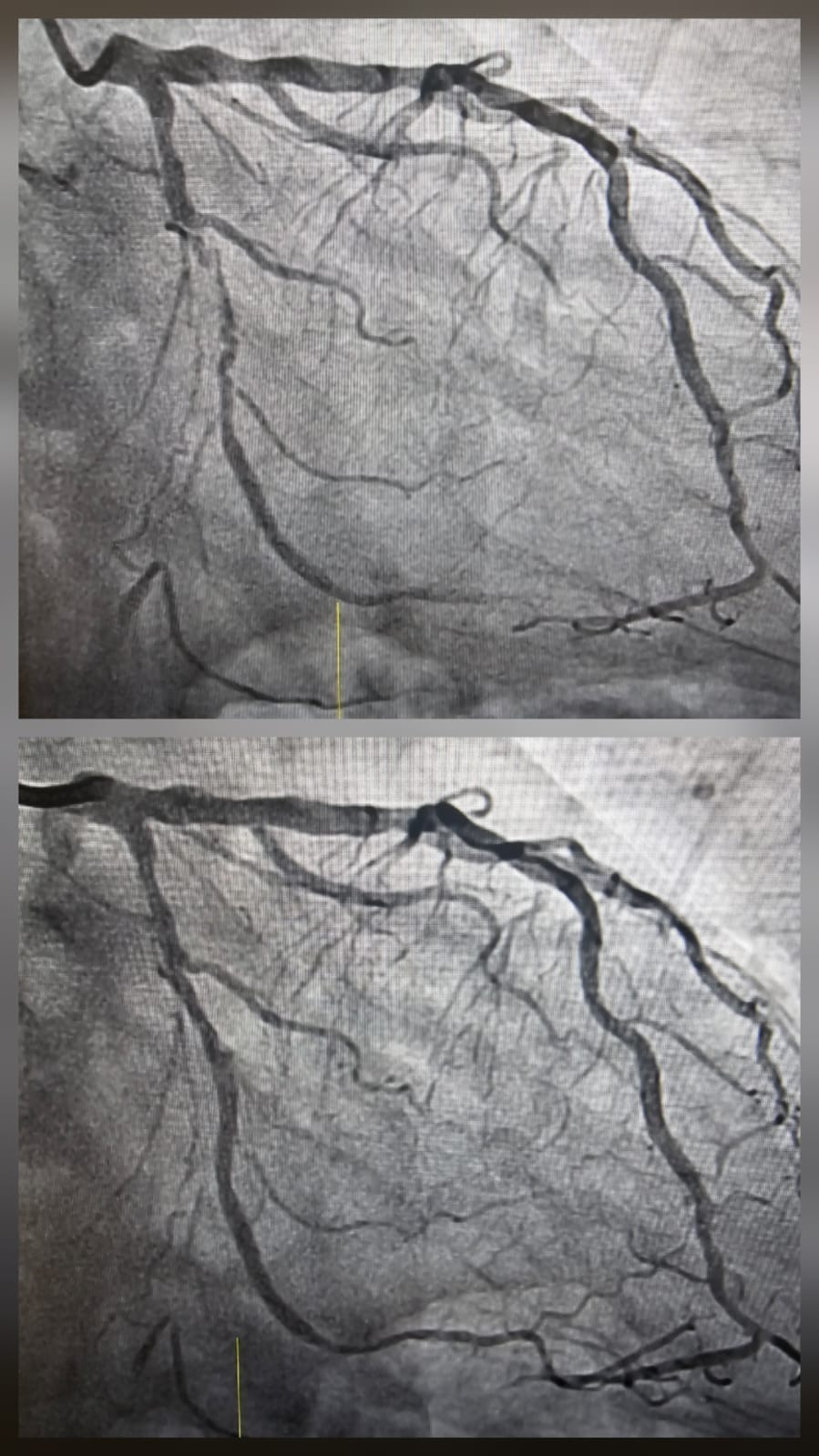
Percutaneous coronary intervention (PCI) is a minimally invasive procedure used to open narrowed or blocked coronary arteries. Below is what patients can generally expect before and after the procedure — your care team will tailor guidance to your specific case.

Before

Pre-PCI Preparation

    • Thorough history taking and physical examination to evaluate symptoms, risk factors, and overall cardiovascular status
    • Review of relevant investigations — ECG, echocardiography, stress test, and laboratory results — to confirm indication for coronary angiogram or PCI
    • Medication review — identifying drugs to continue, temporarily withhold, or adjust (e.g. anticoagulants, metformin, NSAIDs)
    • Initiation of dual antiplatelet therapy (aspirin + P2Y12 inhibitor) prior to the procedure as indicated
    • Pre-procedural blood work — including full blood count, renal function (creatinine, eGFR), electrolytes, coagulation profile, blood glucose, and HbA1c as indicated
    • Assessment of contrast allergy history — patients with prior contrast reactions or impaired renal function may require pre-medication or dose adjustment
    • Fasting instructions — typically 6 hours for solid food, 2 hours for clear fluids before the procedure
    • Detailed discussion of the procedure, expected benefits, potential risks, and alternatives — followed by informed consent
After

Post-PCI Recovery

    • Post-procedure monitoring in the recovery area — vital signs, access site observation, and ECG assessment before discharge
    • Strict adherence to dual antiplatelet therapy (DAPT) — duration depends on the type of stent and clinical indication; do not stop without consulting your cardiologist
    • Continuation of other cardiac medications — statins, beta-blockers, ACE inhibitors or ARBs, as prescribed
    • Access site care — keep the wrist or groin site clean and dry; watch for bleeding, swelling, or unusual pain
    • Activity restrictions — avoid heavy lifting and strenuous activity for at least 1 week; driving restrictions apply depending on access site and clinical status
    • Warning signs to watch for — chest pain, shortness of breath, access site bleeding, swelling of the limb, or fever warrant prompt medical attention
    • Cardiac rehabilitation and lifestyle modification — smoking cessation, dietary changes, and a structured exercise programme as advised
    • Follow-up appointments — typically at 1 month, 3 months, and 12 months post-procedure, with imaging or functional testing as clinically indicated

This information is general and educational. It does not replace personalized medical advice. Always follow the specific instructions provided by your care team.

Patient Stories

In their own words.

Upcoming

Share your experience

If you'd like to share feedback about your care, you're welcome to submit it below. Submissions are reviewed before being published, and nothing is posted without your permission.